
Stop Eating Junk Food
Junk food is everywhere — on our screens, on every street corner, in our homes, and even in our emotions.
Almost all of us have said at some point:
“How do I stop eating junk food?”
Or worse, after finishing an entire bag of chips without realizing,
“Why can’t I stop eating junk food?”
But the truth is that quitting junk food is not as easy as it sounds. The stress and demands of modern life make junk food an attractive option. Besides, it is engineered to be addictive.
Food companies spend millions perfecting the exact combination of sugar, salt, fat, texture, and flavor to make your brain want more, and more, and more.
But the good news is that you can break the cycle.
With awareness, planning, and gradual change, you can retrain your brain and body to crave healthier foods instead.
Let’s go deeper.
How Do I Stop Eating Junk Food?
The most effective way to stop eating junk food is to identify what triggers cravings, remove easy temptations, and replace unhealthy habits with more satisfying alternatives. Small, consistent changes are usually more effective than strict restriction. For many people, learning how to lose weight without counting calories starts with improving food quality and reducing reliance on highly processed foods.
Quick Answer: Most people reduce junk food consumption successfully by improving their environment, eating enough protein and fiber, managing stress, and planning healthier alternatives before cravings strike.
Why Can’t I Stop Eating Junk Food?
If you feel out of control around junk food, it’s not just your weakness. There's a lot of biology and psychology at play. Let’s understand.
1. The Dopamine Reward Loop
Junk food triggers a big dopamine release, the same pleasure chemical released when you experience excitement or achievement.
Over time, your brain needs bigger quantities to feel the same pleasure, so you crave more junk food more frequently.
This is why stopping suddenly feels impossible, your brain is literally wired into the habit.
2. Emotional & Stress Eating
We often use food for comfort or distraction:
Bored? Snack.
Stressed? Something sweet.
Sad? Chocolate or ice cream.
Tired? Coffee and cookies.
Food becomes a coping mechanism rather than nourishment. Stress further intensifies cravings because cortisol, the stress hormone, increases the appetite for sugary and salty comfort foods.
3. Sleep Deprivation
Lack of sleep increases ghrelin (hunger hormone) and decreases leptin (fullness hormone), making overeating automatic.
Ever noticed late-night eating spirals? That’s hormonal imbalance at play. If late-night cravings are your biggest struggle, these healthier midnight snack ideas can help you avoid mindless junk eating without going to bed hungry.
P.S.: f at all you must eat late at night, make sure you resort to healthier midnight snacking options.
4. Nutrient Deficiency
When your body lacks protein, fiber, or minerals like magnesium, it sends strong hunger signals to force quick energy, which often turns into craving salty fried food or sugar. Building protein-rich meals earlier in the day, especially at dinner, can drastically reduce late-night junk cravings—this high-protein dinner guide explains how.
5. Habit & Environment
If junk food is visible and available, your brain is constantly triggered.
If your routine involves snacking while watching Netflix, the habit becomes automatic, even without hunger.
Knowing these triggers is the first step to change.
Many people assume cravings are caused by a lack of willpower, but they're often the result of habits, stress, poor sleep, or biological hunger signals that can be addressed directly.
What Happens When You Stop Eating Junk Food
Reducing junk food doesn’t just change your weight, it transforms your entire system. The benefits usually appear gradually rather than all at once, which is why consistency matters more than perfection when reducing processed foods.
Here’s what happens in your body when you stop eating junk food consistently:
After 3 days
- Reduced bloating
- Fewer sugar crashes
-
Better hydration and digestion
The first change many people notice is reduced bloating and better digestion. Since processed snacks are packed with sodium, additives, and artificial ingredients, they tend to retain water and irritate the gut. Removing them makes the stomach feel lighter and more comfortable. Many ultra-processed snacks rank among the worst foods for gut health, which is why cutting them out often improves digestion so quickly.
After 2 weeks
- More stable energy levels
- Improved mental clarity & mood
-
Healthier gut function
Within a few days, energy levels begin to stabilize because blood sugar becomes more balanced instead of rising and crashing constantly.
Within two weeks, most people report clearer skin, fewer cravings, improved focus, and mood stability. Your gut lining starts repairing, inflammation reduces, and your body begins trusting that it will receive real nourishment instead of empty calories.
After 1 month
- Noticeable weight changes
- Clearer skin & fewer breakouts
- Less inflammation in joints
-
Better sleep quality
After a month, you may begin noticing differences in weight, sleep quality, and even confidence. Clothes fit better, mornings feel fresher, and you feel more in control rather than controlled by food. For women pursuing fat loss goals, understanding a sustainable calorie deficit for women can help reinforce these long-term improvements.
Long-term
- Stronger immunity
- Reduced risk of diabetes & heart disease
-
Reduced cravings naturally
Long-term benefits are far more profound. Lower junk food consumption significantly reduces the risk of lifestyle diseases such as diabetes, high cholesterol, fatty liver, heart disease, and hormonal imbalance. Mental clarity improves, cravings become rare, and food turns into fuel — not emotional escape.
Your body begins healing the moment you stop feeding it processed foods.
How to Stop Eating Junk Food: Real-Life Strategies That Work
How to Avoid Junk Food in Everyday Life
Avoiding junk food becomes much easier when healthy meals, snacks, and routines are planned ahead. Most cravings become harder to resist when people are hungry, stressed, or unprepared.
1. Clean Up Your Environment
Willpower is weakest when temptation is strongest.
If junk food is within reach, you’ll eventually eat it.
- Remove chips, cookies, sodas, chocolates, candy, fried snacks from your home
- Avoid shopping when hungry
- Keep healthy snacks visible instead. Keeping healthy snacks under 100 calories within easy reach makes it easier to choose a better option when cravings appear.
If it’s not around, you won’t reach for it.
2. Build Balanced Meals
Building balanced meals is another essential habit. When meals contain sufficient protein, fiber, and healthy fats, your body stays satisfied for longer periods, preventing energy crashes and desperate cravings for quick snacks.
Many junk food cravings disappear simply by eating proper meals at the right times instead of skipping breakfast or surviving on random bites until evening.
Balanced meals stop overeating before it starts.
3. Drink More Water
Dehydration disguises itself as hunger. If you feel constantly hungry despite eating enough, these natural appetite-suppressing strategies can help reset your hunger signals.
Next time you want junk food, drink a glass of water and wait 10 minutes.
More than 50% of cravings disappear after hydration.
Add lemon, chia seeds, or mint to make it exciting.
4. Improve Sleep & Manage Stress
Sleep and stress management are also critical. When your mind is exhausted, it asks for stimulation, and the fastest source is sugar. Fixing sleep routines and incorporating daily relaxation practices like walking, stretching, journaling, meditation, or simply sitting quietly can transform eating habits more effectively than dieting ever could.
- Sleep 7–9 hours
- Set screen curfews
-
Try 10 minutes of deep breathing or stretching daily
Fixing lifestyle fixes cravings.
5. Plan Your Meals & Snacks
Planning helps enormously as well. If healthy foods are not prepared or accessible, junk food becomes the convenient solution.
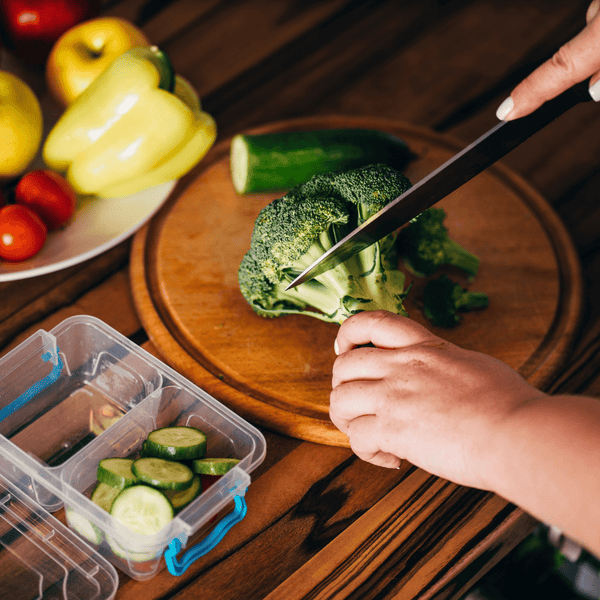
Meal prepping twice a week or simply deciding tomorrow’s meals in advance prevents impulsive ordering or snacking.Following a structured meal plan for weight loss can reduce decision fatigue and make healthy eating much easier to maintain. Carrying something healthy in your bag or keeping clean snacks in your office can make all the difference during sudden hunger. Having healthy snacks for work available can help prevent vending-machine purchases and other impulsive junk food choices.
6. Use The 10-Minute Delay Rule
Another powerful tool is the 10-minute delay rule. When a craving hits, don’t say no instantly, just tell yourself you will decide after 10 minutes.
That pause breaks the automatic cycle. Most cravings naturally fade when the emotional wave settles. Tell yourself:
“If I still want it after 10 minutes, I’ll decide then.”
During the wait, you can chew gum, drink water, take a walk, or distract yourself.
Most cravings fade on their own. A helpful rule is to treat cravings like a wave rather than an emergency. Delaying the response often reduces the intensity enough to make a better decision.
7. Replace Junk Instead of Restricting
Restriction leads to bingeing.
Swapping gives control.
Saying “I can never eat junk again” triggers rebellion. But saying “I’m choosing something better right now” gives control back to you.
Choosing baked over fried, sparkling water over soda, dark chocolate instead of milk chocolate, fresh fruits instead of desserts — small shifts build huge results over time.
Mindful eating also transforms the relationship with food. Eating without screens, chewing slowly, and truly noticing flavors helps you feel full and satisfied with less. When the brain registers nourishment, cravings lose their power.
Here are some cravings and their healthier swaps:
- Replace Milk Chocolate with 70% dark chocolate
- Replace Ice cream with Frozen yogurt or banana ice cream
- Replace Fried Chips with Baked protein puffs or popcorn
- Replace Soda with Sparkling water with lemon. If you enjoy light snacking without the guilt, these zero-calorie snack options for weight loss offer smart alternatives to sugary junk.
-
Replace Cookies with High-protein bars. Choosing from high protein low carb snacks instead of sugary cookies keeps blood sugar stable and reduces rebound cravings.
Small swaps = big changes.
8. Practice Mindful Eating
Most junk is eaten unconsciously — while watching screens or scrolling.
Try:
- Eating slowly
- Putting food in a bowl not the packet
-
Pausing after each bite
When you experience food, your brain feels satisfied with less.
Key Takeaways
- Identify the triggers behind your cravings.
- Eat balanced meals that keep you full longer.
- Improve sleep and stress management.
- Replace junk food with more satisfying alternatives.
- Focus on consistency rather than perfection.
A Smarter Way to Snack: 100 Cal Snacks
One of the easiest ways to avoid junk food is to make healthier alternatives just as convenient. When nutritious snacks are easily available, the temptation to reach for highly processed foods decreases significantly.
The goal is not to remove snacks from your life. Snacking is natural and necessary, it keeps energy levels steady between meals and prevents overeating later.
The real problem is portion sizes and the kind of snacks we reach for when hunger strikes. Most junk food is designed to be eaten mindlessly in large quantities, which is why a “small snack” often turns into finishing the whole packet.
Stop Eating Junk Food
That’s where 100 Cal Snacks provides a helpful alternative for people who want to control cravings without giving up taste or enjoyment.
Why they work:
-
Only 100 clean calories per pack
-
High protein and high fiber snacks that keep you full
-
Zero Added Sugars & gut-friendly
-
Individually portion controlled to prevent overeating
-
Absolutely delicious
These snacks are perfect for busy days, workouts, office hours, travel, or movie nights.
Instead of wrestling with temptation or relying on extreme willpower, you simply pick a healthier option that feels good for your body and your goals.
Learning how to avoid eating junk food becomes much easier when healthier choices are accessible, satisfying, and part of your daily routine.