
Trying to eat better? Drink green tea.
Starting a fitness journey? Green tea.
Had a heavy weekend and need a reset? You guessed it..green tea!
At this point, green tea has basically earned celebrity status in the weight-loss world.
Can a humble cup of tea really help you burn fat, boost metabolism, or reduce stubborn belly weight, or is it just another wellness trend that sounds good on paper? While green tea can support fat loss, results still depend on overall energy balance—understanding how a calorie deficit actually works helps put these benefits into perspective.
Let’s find out in this blog.
Is Green Tea Good for Weight Loss?
Green tea is considered one of the best low-calorie beverages for weight management because it contains catechins and caffeine that may support fat burning and metabolism. While it won't cause dramatic weight loss on its own, it can be a helpful addition to a healthy lifestyle.
How Green Tea for Weight Loss Actually Works
Does Green Tea Help You Lose Weight?
Yes, green tea can support weight loss by increasing fat oxidation, slightly boosting calorie burn, improving insulin sensitivity, and helping reduce unnecessary snacking. However, it works best alongside a calorie-controlled diet and regular physical activity.
Green tea may support weight loss through four mechanisms:
- Fat oxidation
- Increased calorie burn
- Blood sugar regulation
- Reduced cravings
First things first, the hype is real.
Green tea is actually low in calories, full of antioxidants, and can be of great help if you’re trying to lose weight.
But weight loss is never that simple, and no drink works in isolation. That’s why it’s important to understand exactly how green tea works for weight loss. Weight loss tools like green tea work best when paired with low-calorie, habit-based approaches that prioritise consistency over quick fixes.
Fat Oxidation
Green tea doesn’t directly cause fat loss, and that distinction matters.
It has a combination of bioactive compounds, called catechins, that influence how your body burns fat, uses energy, and handles blood sugar.
The catechins in green tea—especially EGCG—help the body become more efficient at breaking down stored fat and using it as fuel.
This process, known as fat oxidation, is particularly active during movement, which is why green tea tends to work best when paired with walking, workouts, or an otherwise active lifestyle.
Instead of forcing the body to lose weight, green tea nudges it toward using fat more effectively.
Mild Thermogenic Effect
Green tea has a mild thermogenic effect, meaning it slightly increases the number of calories your body burns at rest.
While the increase is not extreme, it’s steady.
Unlike crash-diet stimulants that exhaust the nervous system, green tea provides a gentle metabolic lift without stressing the body.
This makes it more suitable for long-term use rather than short, aggressive weight loss phases.
Blood Sugar Balance
One of green tea’s lesser-known benefits is its impact on blood sugar control.
When blood sugar levels rise and fall too quickly, insulin spikes encourage the body to store fat, especially around the abdomen.
Green tea may improve insulin sensitivity, allowing glucose to be used more efficiently by cells instead of being stored as fat.
Stable blood sugar levels also reduce sudden hunger, energy dips, and sugar cravings, all of which are common obstacles in weight loss journeys. For women in particular, understanding how a calorie deficit for women works can help create a more sustainable and realistic fat-loss strategy.
Appetite Regulation Without Suppressing Hunger
Green tea does not act as a strong appetite suppressant, and that’s a good thing. But it does help regulate hunger cues.
Many people find that drinking green tea between meals reduces the urge to snack out of boredom or fatigue. Pairing green tea with low calorie snacks for weight loss can make it easier to manage hunger while maintaining a calorie deficit throughout the day.
One practical advantage of green tea is that it can replace higher-calorie beverages such as sweetened coffees, sodas, or specialty drinks. For some people, this simple substitution contributes more to weight management than the tea's metabolic effects alone.
This happens because hydration, steady energy, and balanced blood sugar all play a role in perceived hunger. Many people notice fewer cravings between meals when blood sugar stays stable, which is closely related to learning how to stop being constantly hungry.
The Gut–Weight Connection and Green Tea
We all know how gut health is instrumental in metabolism and weight regulation.
A healthier gut environment is associated with reduced inflammation, better digestion, and improved energy metabolism
Green tea is rich in polyphenols that act as prebiotics, feeding beneficial gut bacteria.
Since chronic inflammation can slow fat loss and promote weight gain, green tea’s gut-supporting properties indirectly contribute to a healthier body composition.
Do you know what else feeds beneficial gut bacteria while helping your weight loss goals?
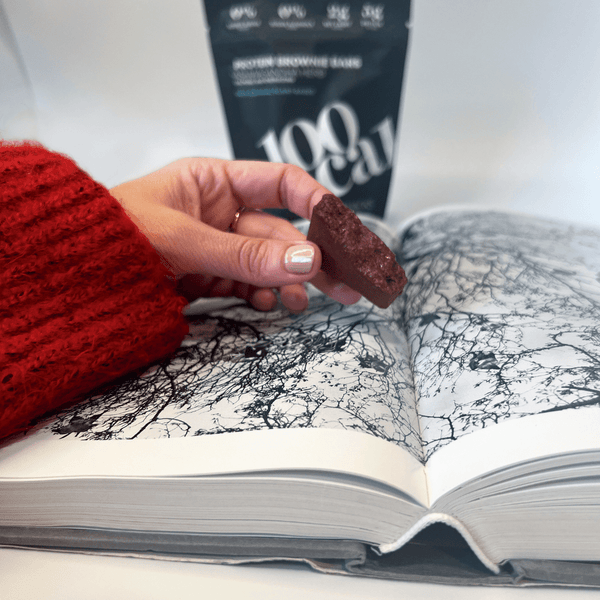
The entire range of snacks from 100 Cal Snacks: chocolate brownie protein bars, peanut butter bars and crispy protein puffs.
These are all portioned at 100 calories packing many nutrients and a formulation focused on gut health. Since digestion plays a major role in metabolism, avoiding the worst foods for gut health can amplify the benefits green tea offers for weight management.
Best Time to Drink Green Tea for Weight Loss
How to Lose Weight by Drinking Green Tea
Drink 2–4 cups daily, preferably between meals or before workouts. Avoid adding excess sugar, combine it with a calorie deficit, prioritize protein intake, and stay physically active for the best results. Following a structured meal plan for weight loss can make these habits easier to maintain consistently over time.
Simple Rule: Green tea works best as a supporting habit, not a replacement for healthy eating. Consistency over weeks and months tends to produce better results than increasing intake in hopes of faster weight loss.
When it comes to green tea and weight loss, timing doesn’t make or break results, but it does influence how your body responds to it.
It is a given that the best timing depends on your sensitivity to caffeine, activity levels, and eating patterns.
But since green tea affects metabolism, energy levels, digestion, and even sleep, drinking it at the right time for your routine can help you get more consistent benefits.
Green Tea in the Morning: Pros and Cons
Most people who take green tea in the morning use it as a coffee replacement.
This is ideal if you’re trying to reduce your caffeine intake. Drinking green tea in the morning can be a gentle way to wake up your metabolism.
The small amount of caffeine, combined with catechins like EGCG, helps increase alertness and energy without the sharp spike and crash often associated with coffee.
However, green tea on an empty stomach may not suit everyone. The tannins present in green tea can increase stomach acidity, which may cause nausea or discomfort in people with sensitive digestion.
If that’s the case, having it after a light breakfast or with food can make it easier to tolerate while still offering metabolic benefits.
Drinking Green Tea Before or After Workouts
Green tea can complement workouts, but its timing around exercise matters.
Drinking it about 30 to 45 minutes before a workout may help enhance fat oxidation, particularly during cardio or moderate-intensity training. .
Post-workout, green tea can support recovery by reducing inflammation and oxidative stress caused by exercise. It is best to have it alongside a post-workout meal or snack.
Green Tea Between Meals
Drinking green tea between meals is often the most effective option for weight loss support.
When consumed away from food, catechins are absorbed more efficiently, allowing green tea to better influence fat metabolism and energy expenditure.
It can also help eliminate unnecessary snacking by keeping energy levels steady and promoting hydration.
Is It Good to Drink Green Tea at Night?
Some people enjoy the ritual of tea in the evening, but it’s not ideal if weight loss is your goal.
Weight loss relies heavily on sleep quality, and green tea, while lower in caffeine than coffee, still contains enough to disrupt sleep in some people.
When targeting weight loss, preserving deep, restful sleep often matters more than squeezing in an extra cup of green tea.
Poor sleep negatively impacts hormones that regulate hunger and fat storage, which can work against weight loss goals.
However, if you’d still like to enjoy a cup of tea before bed, opting for decaffeinated green tea or switching to herbal alternatives may be a better choice.
Healthy Snack Pairings That Complement Green Tea
One of the easiest ways to maximize green tea benefits for weight loss is to pair it with high-protein, high-fiber snacks. Protein helps control hunger, while fiber supports digestion and keeps you fuller for longer, making it easier to maintain a calorie deficit.
Green tea is a great daily habit, but on its own, it doesn’t offer much in the way of satiety or nutrition. That’s why it's important to pair it with the right snack. Choosing healthy snacks that provide protein and fiber can help improve fullness and support long-term weight-management goals.
Our recommendation would be 100 Cal Snacks, where every ingredient is carefully chosen to nourish the gut, which matters because digestion and metabolism are deeply connected—especially when weight loss is the goal.
Unlike many packaged snacks that leave you feeling heavy or bloated, 100 Cal Snacks are high in fiber and free from gluten and heaviness-causing refined carbs.
That makes them easy to digest and ideal to enjoy alongside green tea.
Green tea also lacks protein, which means it won’t keep you full on its own. 100 Cal Snacks are protein-packed, helping balance blood sugar and prolong satiety so your snack actually holds you over until your next meal.
Another reason why this pairing is a hit is the inclusion of ashwagandha, a powerful adaptogen in 100 Cal Snacks.
Green tea offers a gentle sense of calm and focus, and ashwagandha complements that effect by supporting relaxation and stress management—two often-overlooked factors that influence cravings and emotional eating.
Pairing green tea with low-calorie, portion-controlled snack options helps support weight loss without triggering blood sugar spikes or unnecessary hunger. Many people find that low calorie snacks under 100 calories make it easier to stay within their daily calorie goals without feeling deprived.
Matcha vs Green Tea for Weight Loss
Matcha is the new hot girl drink in town, and for good reason.
Matcha and regular green tea come from the same plant, but the way they’re consumed makes a difference.
With traditional green tea, you steep the leaves and discard them. With matcha, you consume the entire powdered leaf, which means a higher concentration of catechins, caffeine, and antioxidants per serving.
This makes matcha more potent for weight loss support, especially for boosting metabolism and fat oxidation.
However, it also means stronger effects, including higher caffeine intake.
Matcha may be better suited for mornings or pre-workout use, while regular green tea works well throughout the day.
Plain Green Tea vs Lemon Green Tea
As far as metabolic benefits are concerned, even plain green tea is enough.
But if you struggle with the bitterness, then adding lemon to your tea can indirectly support weight loss by making the habit of drinking green tea sustainable.
That’s because lemon has a light, refreshing taste.
There are also some practical benefits. Lemon juice provides vitamin C, which may help stabilize catechins in green tea and improve antioxidant absorption.
Green Tea With Honey: Helpful or Harmful?
Honey in green tea often gets labeled as “bad for weight loss,” but the reality is more nuanced.
A small amount of honey adds natural sugars, which technically increases calorie intake—but it also improves taste and can prevent people from abandoning green tea altogether.
For someone replacing sugary drinks with green tea and a touch of honey, this can still be a net positive.
That said, adding honey regularly and in large amounts can reduce green tea’s weight loss benefits, especially if the goal is blood sugar control.
Iced Green Tea vs Hot Green Tea
From a nutritional standpoint, iced and hot green tea offer very similar benefits—as long as the tea is brewed properly.
Hot green tea may slightly enhance digestion and is often more soothing, especially in the morning or after meals.
Iced green tea, on the other hand, can be easier to drink in larger amounts, particularly in warmer climates or during workouts.
The only real concern with iced green tea is store-bought versions, which often contain added sugars. Homemade iced green tea remains a solid weight-loss-friendly option.
Can Green Tea Cause Acidity or Bloating?
Green tea is generally safe for most people, but can sometimes trigger acidity, nausea, or mild bloating, especially when consumed on an empty stomach.
This is mainly due to tannins, natural compounds that increase stomach acid production.
For people with sensitive digestion, reflux, or a history of gastritis, this increased acidity can feel uncomfortable.
For people prone to bloating or acidity, choosing gut-friendly snack alternatives alongside green tea can make the habit more comfortable and sustainable.
Does Green Tea Affect Sleep or Anxiety?
Although green tea contains less caffeine than coffee, it still has enough to affect sleep and anxiety in some people.
Caffeine stimulates the nervous system, and when consumed late in the day, it can delay sleep onset or reduce sleep quality.
Green tea also contains L-theanine, an amino acid known for promoting calm focus. For many people, this balances out caffeine and prevents jitteriness.
However, individuals who are highly caffeine-sensitive may still experience restlessness, increased heart rate, or heightened anxiety.
Green Tea Benefits for Weight Loss at a Glance
- Supports fat oxidation during daily activity and exercise
- Provides a mild metabolic boost
- May improve blood sugar regulation
- Can help reduce unnecessary snacking
- Contains virtually no calories when consumed plain
Does Green Tea Help You Lose Weight? Final Verdict
Green tea can support weight loss by helping increase fat oxidation, improving metabolic efficiency, supporting blood sugar control, and reducing cravings. For people who dislike tracking every meal, learning how to lose weight without counting calories can complement the sustainable habits discussed throughout this article. For most people, the biggest green tea benefits for weight loss come from combining it with sustainable habits such as regular movement, balanced meals, adequate sleep, and consistent calorie control.