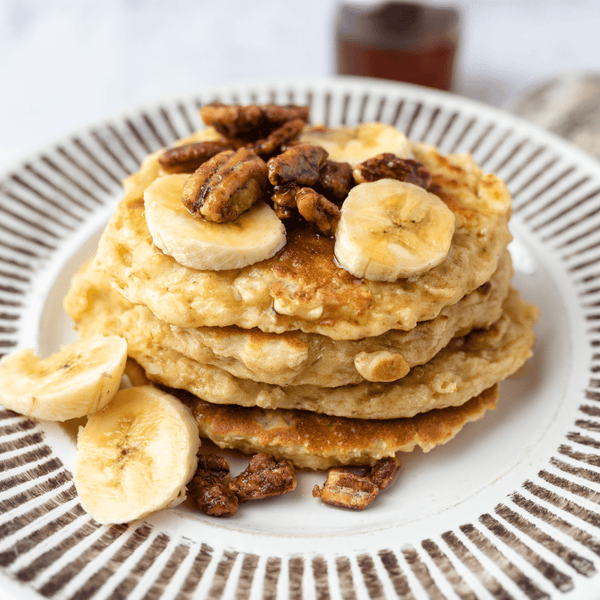

What to Eat Before a Run (Best Foods, Timing & Energy Tips for Running
What to eat before a run plays a crucial role in how your body performs, feels, and sustains energy during running. If you’re wondering what should I eat before a run, the answer depends on timing, intensity, and how your body digests food.
You could be heading out for a light morning jog or training for an intense marathon, what you eat before a run will still significantly change how strong, energetic, and comfortable you feel.
The right foods power your muscles, prevent mid-run fatigue, and keep digestion smooth so you aren’t battling cramps or heaviness while trying to focus on pace and breath.
Choosing the wrong foods before running can cause bloating, fatigue, and poor performance during your run.
This is why it is so important to learn about pre-run nutrition in detail.
What to Eat Before a Run (Quick Answer)
Before a run, eat easily digestible carbohydrates like bananas, toast, or oats, along with a small amount of protein. Choose a full meal 2–3 hours before running or a light snack 30–60 minutes before.
Why What to Eat Before a Run Matters for Energy and Performance
While whole foods are ideal, having convenient options like pre-portioned protein snacks can help maintain consistency, especially when you're short on time. Your body runs on stored energy known as glycogen—fuel that comes primarily from carbohydrates. Glycogen is your body’s stored energy from carbohydrates, used to fuel muscles during exercise.
Glycogen is the stored form of carbohydrates in your muscles and liver, and it provides the primary fuel your body uses during running.
When you eat well before a run, you top up these energy reserves, helping your body perform longer and stronger without burning out early.
Running is an energy-intensive activity, which is why knowing what to eat before running is essential for optimal performance.
Carbohydrates give immediate energy, while a small amount of protein supports muscle function and recovery. .
Skipping food before a run may feel lighter initially, but you risk early fatigue, slower pace, and sometimes dizziness if your energy reserves are low.
On the other hand, eating too close to a run or eating the wrong foods can cause discomfort. It’s about balance, fueling enough, and timing it right.
When to Eat Before a Run (Timing Guide for Better Performance)
The ideal time to eat depends on how intense and long your run will be.
If you’re planning a long-distance run or a strenuous session, a larger meal two to three hours before gives your body time to digest and convert food into usable energy.
For a lighter or shorter run, a simple snack 30 to 60 minutes before is enough to top up your energy.
Eating too close to running may cause bloating, cramps, or nausea because digestion and running compete for blood flow.
If your stomach is working too hard, your legs won’t perform at their best.
So, how long before should you stop eating before a run?
If you're unsure what to eat before running, prioritize foods you already tolerate well, as digestion comfort is just as important as energy.
Generally, stop eating a full meal at least two hours before and a light snack at least 30 minutes before. This gives your stomach time to settle while keeping energy levels high.
Quick Tip:
- Eat carbs for immediate energy
- Add protein for longer runs
- Avoid fats close to running time
Best Pre-Run Meals and Snacks Based on Timing
2–3 Hours Before Running
This is the ideal window for a balanced meal with complex carbs, some protein, and a little healthy fat. Planning a proper pre workout meal during this window ensures steady energy release and better endurance during longer runs. These foods digest gradually and release a steady stream of energy.
Good choices include:
- Oatmeal topped with banana or berries
- Whole grain toast or bagel with low calorie peanut butter or honey
- Brown rice or sweet potatoes with vegetables
- Yoghurt with fruit and seeds
- 30–60 Minutes Before Running, If you prefer grab-and-go options, our protein bars are crafted with clean ingredients and easy digestion — ideal for a fast pre-run boost.
If you’re running early or need a last-minute energy lift, keep it light and easy to digest. Exploring the right pre workout snacks can help you choose options that deliver quick energy without causing discomfort. This will include quick carbs that release fast energy without weighing you down.
Try:
- A ripe banana
- A handful of dates or raisins
- A small smoothie or fruit yoghurt
- A protein or energy bar. Choosing high protein bars that are easy to digest can give you a quick energy boost while also supporting muscle function during your run.
- Toast with honey or jam
What to Drink Before a Run for Hydration and Performance
Hydrating well is just as important as eating well. Even slight dehydration before a run can reduce endurance and increase perceived effort, making proper hydration essential for performance.
Drink small sips consistently rather than chugging water right before running. Electrolyte drinks or coconut water can help maintain fluid balance, especially in heat or longer runs. Pairing proper hydration with the best pre workout approach can significantly improve your overall running performance. Stop drinking large amounts about 15–20 minutes before starting to avoid a sloshy stomach.
Best Things to Eat Before a Run for Energy and Endurance
Some foods are particularly powerful for runners because they provide sustained, steady fuel without upsetting digestion:
Bananas: High in natural sugars, potassium, and fast-release energy.
Oats: Contain complex carbohydrates and fiber that burn slowly for long-lasting stamina. When you need quick and steady fuel, these high protein snacks can help extend endurance without weighing you down while also supporting sustained energy release.
Sweet potatoes: Rich in complex carbs and minerals that support muscle function.
Yoghurt and berries: Give a mix of protein and antioxidants that reduce muscle inflammation.
Toast or bagels with honey: Provide simple carbs that kick in quickly for performance.
Protein bars or energy bars: Convenient pre-run fuel when you’re short on time. For a savory option, bbq protein puffs can also offer a light and satisfying pre-run snack without feeling heavy. Always go for protein bars with clean ingredients and no added sugars. (Save detailed product recommendations for the final section to keep the focus on general guidance here.
Foods to Avoid Before a Run (What Not to Eat Before Running)
Some foods take too long to digest or put pressure on the stomach, making runs uncomfortable.
Avoid:
- Deep-fried or greasy foods that slow digestion
- Heavy, creamy foods
- Foods that create gas like beans, cauliflower, or broccoli
- Too much fiber right before running
- Sugary junk food that causes an energy spike and sudden crash.
What Should I Eat Before a Run? Sample Pre-Run Meal Plans
For a Morning Run
If you’re heading out shortly after waking up, your body hasn’t had food for several hours and glycogen levels are low. A light, carb-rich snack works best here because it quickly replenishes your energy without feeling heavy on your stomach.
Something as simple as a banana or a slice of toast with peanut butter gives an instant boost of glucose that your muscles can use immediately.
If you prefer something more filling, a small yoghurt with berries or half a smoothie provides a balanced mix of easy carbs and a little protein to stabilize energy levels without slowing digestion.
For an Evening Run
By evening, your body has already consumed multiple meals, so digestion can feel slower. A light meal or snack 60–90 minutes before running is ideal.
Oatmeal with fruit, a whole-grain wrap with veggies, or a rice bowl with sweet potatoes and lean protein gives sustained energy from complex carbohydrates while adding some protein to support endurance and muscle repair.
These foods digest steadily instead of hitting you all at once, which helps maintain a strong and consistent pace through the run.
For Long-Distance Training
When you’re preparing for a longer endurance run like a 10K, half marathon, or marathon training session, focus on slow-release carbohydrates that build glycogen stores.
A bowl of oats or a rice-and-potato meal two to three hours before running provides long-lasting fuel that won’t burn out halfway through.
Adding a small portion of protein such as yoghurt, eggs, or nut butter stabilizes blood sugar and prevents early fatigue. A light snack like a banana or energy bar 30 minutes before heading out gives an extra push to start strong.
For Short or High-Intensity Runs
Short runs and interval training rely heavily on fast, accessible energy. You don’t need a big meal here, just something quick and simple that turns into usable glucose fast.
A piece of fruit, a handful of dates, or an energy bar works perfectly because these break down rapidly and deliver an immediate energy surge. Keeping fat and fiber low helps ensure you feel light and focused without stomach discomfort.
Fuel Your Run Right With 100 Cal Snacks
Key Takeaways: What to Eat Before a Run
- Focus on carbohydrates to fuel your run
- Choose foods that are easy to digest
- Adjust meals based on timing and run intensity
- Avoid foods that cause discomfort
- Stay properly hydrated before running
By now, we know that a successful run relies equal parts on training and fueling.
But knowing exactly what to eat before every run can feel confusing. Some days you need fast energy, other days you need something more sustaining, and often you’re racing against the clock with no time to prepare or experiment with heavy meals that might slow you down.
Imagine having a snack that takes the guesswork out of pre-run fueling. Something light enough to never weigh you down, yet powerful enough to support endurance.
That’s exactly what 100 Cal Snacks was created for, offering 100 calorie snacks that make pre-run fueling simple, controlled, and effective.
Each bar is portion-controlled at exactly 100 clean calories, designed to keep you energized without the sluggishness that comes from overeating or relying on ultra-processed energy snacks.
The gut-first formulation supports smooth digestion, so you can run comfortably without cramps, bloating, or that heavy pit-in-the-stomach feeling runners dread.
Enhanced with ashwagandha for sustained natural energy and stress support, and packed with high-quality protein to keep you fueled longer, these bars are the perfect pre-run boost, especially when you need something quick, portable, and effective.
Slip one in your pocket or gym bag, and you’re ready to go.
Light, energizing, natural, and delicious, 100 Cal Snacks is the simplest way to power your run with confidence, clarity, and comfort.