
No Calorie Foods: Foods With No Calories for Weight Loss
Ever wondered if “no-calorie” foods are real or just another catchy diet term? Many people search for no calorie foods or foods with no calories to support weight loss and reduce calorie intake.
Well, the truth is somewhere in between. While foods without calories don’t exactly exist, there are low-calorie dishes and low-calorie snacks that can be your best friends on the road to healthier eating and weight loss. Many people look for no calorie foods or foods with no calories to support weight loss and better hunger control.
There are many foods with no calories or very low calories that are easy to include in your daily diet. From crunchy snacks to hydrating fruits and vegetables, there’s no shortage of options to explore. You can also explore zero calorie snacks for weight loss to further reduce calorie intake while staying satisfied.
This guide explains food without calories or near-zero calorie foods, their benefits, and how to include them in your diet.
What Are No Calorie Foods?
The term “no-calorie” or “negative-calorie” is more a concept than a scientific fact. It refers to foods that are so low in calories that your body supposedly burns more energy digesting them than the food provides. This concept is closely related to high volume low calorie foods, which allow you to eat larger portions without consuming excess calories.
Think celery or cucumber – high in water and fiber, low in calories.
While the “negative-calorie” idea has sparked debates, one thing is clear: these foods are excellent for weight loss and overall health. They’re nutrient-rich, hydrating, and keep you feeling full.
Plus, they’re incredibly versatile and can conveniently be added into a variety of cuisines and meal types. They fit as easily into quick snacks as they do into elaborate dishes.
Why Choose Low-Calorie Foods?
1. Weight Loss: Eating low-calorie foods helps create a calorie deficit, which is essential for shedding pounds. These foods allow you to eat larger portions without consuming too many calories, making it easier to stay on track.
2. Nutritional Boost: Many low-calorie foods are packed with vitamins, minerals, and antioxidants. They provide the nutrients your body needs without the extra calories.
3. Satiety: Foods high in water and fiber fill you up, suppressing appetite and reducing the likelihood of overeating. This can help you stay satisfied longer between meals.
4. Digestive Health: These foods are often easy on your digestive system and promote gut health, thanks to their high fiber content and natural hydration properties.
5. Variety and Flavor: Incorporating a range of low-calorie foods into your diet keeps meals exciting and flavorful, preventing boredom and making healthy eating more enjoyable.
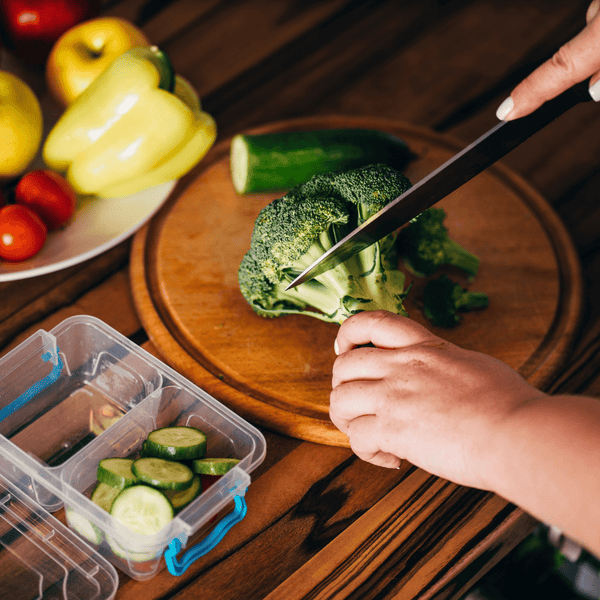
These vegetables are considered foods with no calories or extremely low calories due to their high water content.
Why No Calorie Foods Help with Weight Loss
Low-calorie foods often have high water and fiber content, which means they take up more space in your stomach without adding extra calories. This helps you feel full faster and stay satisfied longer. Plus, the act of chewing crunchy foods like celery and carrots sends signals to your brain that you’re eating, further enhancing satiety. Combining meals with healthy low-calorie snacks for weight loss can further improve satiety and support long-term weight management.
In addition, these foods are often nutrient-dense, providing essential vitamins and minerals that support overall health. This means you’re not just eating fewer calories but also getting more value from every bite. Combining these strategies with intermittent fasting benefits can further improve appetite control and support a more effective calorie deficit.
Are There Risks of Eating Only No Calorie Foods?
While low-calorie foods are fantastic for weight loss and health, over-relying on them can lead to nutrient deficiencies. Your body needs a mix of proteins, healthy fats, and carbohydrates to function optimally, which is why pairing these low-calorie options with nutrient-dense foods like nuts, seeds, lean proteins, and whole grains is the way to go.
Also, some low-calorie foods may not provide enough energy for highly active individuals or those with specific dietary needs. It’s important to listen to your body and adjust your diet accordingly.
List of No Calorie Foods and Foods With No Calories

For those following a low-carb approach, incorporating keto friendly snacks can help maintain energy levels without increasing carbohydrate intake.
Vegetables
- Cucumber: At just 8 calories per half-cup, cucumbers are hydrating and refreshing. Slice them into salads or enjoy them as a crunchy snack with a dash of salt and lemon.
- Celery: A classic at about 6 calories per stalk, celery is high in water and perfect for snacking. Pair it with a low-calorie dip like Greek yogurt or hummus.
- Zucchini: A versatile veggie with only 20 calories per cup, zucchini can be sautéed, spiralized, or even baked into healthy chips.
- Leafy Greens (Spinach, Kale): Nutrient powerhouses with under 30 calories per cup. Use them as a base for salads, in smoothies, or as a side dish.
Fruits
- Watermelon: Only 46 calories per cup and loaded with hydration. Its natural sweetness makes it a great dessert or midday snack.
- Berries: Around 50 calories per cup, these are rich in antioxidants and perfect for topping cereals, yogurts, or desserts.
- Grapefruit: Tangy and refreshing, with about 50 calories per half. Enjoy it as a breakfast starter or a refreshing snack.
Herbs and Spices
- Mint, Parsley, Cilantro: Virtually calorie-free and bursting with flavor. Add them to dishes for an instant freshness boost.
Beverages
- Green Tea: Calorie-free and packed with antioxidants. It’s a great alternative to sugary drinks.
- Black Coffee: A zero-calorie energy boost (skip the sugar!). Perfect for jumpstarting your day or to get over the afternoon slump.
- Infused Water: Add lemon, cucumber, or mint for flavor without the calories. Stay hydrated in style!
Other Options
- Shirataki Noodles: Virtually calorie-free and great in stir-fries or soups. They’re a fantastic low-carb pasta substitute.
- Broth-Based Soups: Light and warming, with minimal calories. These are perfect for a comforting meal without overloading on energy.
How to Add No Calorie Foods to Your Diet?

Now that we’ve explored some low calorie foods, here are a few tips that’ll help you conveniently add these foods into your everyday meals:
- Start your meals with a leafy green salad topped with cucumbers and a sprinkle of fresh herbs. This sets a healthy tone for the rest of your meal.
- Snack on celery sticks with a touch of hummus or berries for a sweet treat. These options are both satisfying and easy to prepare.
- Replace pasta with zucchini noodles or shirataki noodles in your favorite dishes. This swap can drastically cut down on calories while keeping the meal delicious.
- Swap sugary drinks for green tea or infused water to stay hydrated and refreshed. This small change can make a big difference in your overall calorie intake.
- Use herbs and spices liberally to enhance the flavor of your dishes without adding calories. They’re an easy way to take your meals to the next level.
How Low Calorie Snacks Support No Calorie Food Diets?
While true food with no calories is rare, many low-calorie foods and snacks can help you stay within your calorie goals while keeping you full and satisfied. The role of clean, healthy snacking in weight loss and overall fitness cannot be overstated. It’s all too easy to unknowingly consume hundreds of extra calories with a handful of chips, a sugary protein bar, or even a so-called “healthy” snack.
This is where portion-controlled, high-protein snacks from 100 Cal Snacks are a lifesaver, helping you enjoy all your favorite flavors while staying within your calorie limit. These snacks are made from 100% natural, non-GMO ingredients and are free from sugar alcohols and added sugars, artificial additives, and gluten.
This ensures you’re not only saving calories but also nourishing your body with high-quality, wholesome ingredients. The infusion of superfoods like ashwagandha provides added benefits such as stress reduction and sustained energy.
Whether you’re reaching for our protein bars with zero added sugars or our deliciously savory BBQ Protein Puffs, you’re setting yourself up for a deliciously nutritious snacking experience, with no stress and absolutely no guilt.
By including no calorie foods, foods with no calories, and other low-calorie options, you can manage hunger while maintaining a calorie deficit. Adding low calorie high volume snacks to your routine can help you stay full while maintaining a calorie deficit throughout the day.