
Is Oatmeal Good for Weight Loss?
Quick answer: Yes — oatmeal can support weight loss, but it's not a magic food. Its soluble fibre (beta-glucan) slows digestion and keeps you full, which naturally helps you eat less. The catch is how you eat it: stick to a ½-cup portion, add protein and a little healthy fat, cook it in water or unsweetened milk, and skip sugary toppings. Eaten that way, oatmeal is a filling, weight-loss-friendly breakfast.
Oatmeal has earned a permanent spot in the weight-loss hall of fame.
It is quick to make, very customizable, and a no-brainer option as far as eating clean is concerned.
Since weight loss works by maintaining a calorie balance over time, foods like oatmeal can help only when eaten in the right portions.
But let us pause to ask if oatmeal is popular just because it’s convenient and familiar? Or does it actually offer the kind of nutrition that supports weight loss in a meaningful way?
After all, oats are still carbs, and not all carbs work the same way in the body.
In this blog, let’s find out whether oatmeal truly deserves its healthy reputation and whether it is an ideal weight loss meal.
Nutritional Profile of Oatmeal
At first glance, oatmeal looks pretty basic, but nutritionally, it’s doing a lot more than you might think.
Oats are a whole grain, which means they're minimally processed and still contain all three parts of the grain: the bran, germ, and endosperm.
This is what differentiates oatmeal from refined cereals.
A standard serving of dry oats (about 40 grams or ½ cup) provides roughly 150 calories. Most of these calories come from complex carbohydrates, which your body breaks down slowly.
What really makes oatmeal stand out is its fiber content, especially a type of soluble fiber called beta-glucan.
This soluble fibre forms a gel-like substance in the gut, which slows digestion and helps you feel full for longer.
It also plays a role in improving gut health and supporting healthy cholesterol levels.
Oatmeal also contains a moderate amount of plant-based protein, about 5 grams per serving. While it’s not a high-protein food on its own, this protein still contributes to satiety and becomes especially effective when paired with protein-rich toppings like nuts, seeds, or yogurt.
In addition, oats provide small but meaningful amounts of important micronutrients such as magnesium, iron, phosphorus, zinc, and B vitamins.
In short, oatmeal offers a well-rounded nutritional base, especially when paired with the right toppings.
Can Oatmeal Help With Weight Loss?
The short answer is yes, oatmeal can support weight loss, but it’s not a magic food.
Like most things in nutrition, how well it works depends on how you eat it, how much you eat, and how it fits into your overall routine.
Oatmeal is often recommended for weight loss because it’s filling, affordable, and easy to prepare. This can naturally reduce overeating and unnecessary snacking throughout the day.
That said, simply eating oatmeal doesn’t guarantee weight loss. Large portions, sugary toppings, or instant flavoured oats can turn a healthy meal into a calorie-heavy one very quickly.
Here are some ways in which eating oatmeal could make your weight loss journey easier:
How Oatmeal Supports Weight Loss
Oatmeal doesn’t magically burn fat, but when eaten the right way, it can make weight loss feel easier and more sustainable. Here’s how it helps.
Keeps You Full for Longer
One of the biggest reasons oatmeal works well for weight loss is its ability to keep you satisfied.
The soluble fiber in oats absorbs water and expands in your stomach, which slows digestion and reduces hunger. This means you’re less likely to snack mindlessly or feel the need to eat again too soon.
Helps Control Cravings
Because oatmeal digests slowly, it provides steady energy instead of quick sugar highs.
This helps prevent blood sugar spikes and crashes, one of the main reasons people experience intense cravings for sweets or refined carbs later in the day.
Slow-digesting carbs like oats work well alongside strategies that explain how to suppress appetite naturally.
Supports Better Portion Control
Oatmeal is filling even in small portions. A modest serving can feel surprisingly satisfying, making it easier to stay within your calorie needs without feeling deprived.
When your meals are genuinely filling, sticking to a weight-loss plan becomes far more realistic.
Improves Gut Health
The fiber in oats feeds beneficial gut bacteria, which play a role in digestion, inflammation, and even appetite regulation.
A healthier gut can support better nutrient absorption, mental clarity, and may help reduce bloating, which many people mistake for weight gain.
Since gut health plays a role in weight loss, the beta-glucan fibre in oats can be especially beneficial.
Encourages Consistent Eating Habits
Consistency is the single most important ability that makes weight loss possible.
Oatmeal being quick, affordable, and easy to prepare, helps people stay consistent and stick to regular, balanced meals instead of skipping breakfast or grabbing processed foods on busy mornings.
Pairs Well with Protein and Healthy Fats
Oatmeal acts as a great base for weight-loss-friendly add-ins like nuts, seeds, eggs, or yogurt
When combined with protein and healthy fats, it becomes a balanced meal that supports fat loss more effectively.
Best Way to Eat Oatmeal for Weight Loss (This Matters Most)
Many people unknowingly turn a healthy bowl of oats into a sugar-heavy, calorie-dense meal. A few simple tweaks can make all the difference.
If oatmeal doesn't suit your routine every day, there are several low calorie breakfast options that still support fat loss.
Stick to the Right Portion Size
More isn’t always better. A standard serving of dry oats (about ½ cup) is usually enough to keep you full without tipping your calorie intake.
Always Add a Protein Source
Oatmeal on its own is mostly carbohydrates. To make it truly weight-loss-friendly, protein is essential..
Simple protein pairings include Greek yogurt, nut butter, seeds, or protein powder.
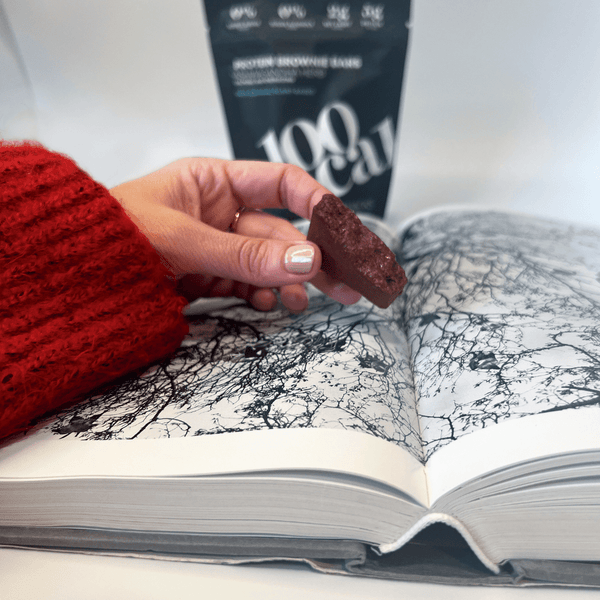
Another easy and surprisingly delicious option is crumbling a 100 Cal Snacks Chocolate Brownie Protein Bar into your oats.
It adds a rich chocolate flavour along with clean protein and fiber, making your oatmeal more filling and satisfying, while enhancing its taste all the same.
Pairing oats with high-protein snacks and high fibre snacks helps improve satiety and prevents mid-morning hunger.
Balance It with Healthy Fats
Adding a small amount of healthy fat, like chia seeds, flaxseeds, or a few chopped nuts slows digestion and keeps you fuller for longer.
Just keep the quantity modest, as fats are calorie-dense.
Be Mindful with Sweeteners and Toppings
Honey, maple syrup, dried fruits, and flavoured oats can quickly push your oatmeal into dessert territory.
If you prefer sweetness, opt for natural options like fresh berries, cinnamon, or a touch of vanilla instead.
Choose the Right Liquid
Cooking oats in water keeps calories low, while milk adds extra protein and creaminess.
If using milk, choose unsweetened versions and adjust portions accordingly to stay within your goals.
Eat It at the Right Time for You
For most people, oatmeal works best in the morning or as a post-workout meal when the body uses carbs more efficiently.
If eaten later in the day, pairing it with enough protein becomes even more important.
A Weight Loss-Friendly Breakfast Needs a Weight Loss-Friendly Snack
Oatmeal may set you up for a great start to the day, but weight loss isn’t decided by one meal alone, your snacks matter just as much.
Breakfast alone isn't enough — choosing low calorie snacks for weight loss throughout the day keeps hunger stable.
This is where 100 Cal Snacks has got you covered.
Designed with weight loss and gut health in mind, our portion-controlled, nutritionally balanced snacks keeps hunger in check without overloading your system.
Made from 100% natural, clean ingredients, these snacks pack a high protein and fiber content in just 100 calories.
They’re free from gluten and excess carbs that often cause bloating, with the formula designed keeping gut health in mind.
Adding portion-controlled snacks — alongside a sensible number of meals a day — makes it easier to stay consistent without overeating. Keep healthy snacks for work handy for busy days.
Unlike typical “diet snacks”, 100 Cal Snacks don’t make snacking feel like a punishment. The textures are mouth watering and the flavors irresistible.