
How to Lose Weight After 30
Quick answer: Losing weight after 30 is absolutely doable — it just needs a smarter approach. Hormones shift, muscle declines and stress rises, so the fixes are: eat enough (don't crash-diet), prioritise protein at every meal, strength train to protect muscle and metabolism, manage stress and sleep, and use structured, portion-controlled snacking to stay consistent. Sustainable habits beat quick fixes every time.
If you’ve crossed 30 and suddenly feel like weight loss has turned into a full-time job… you’re not imagining it.
The workouts that once worked effortlessly don’t hit the same. Eating “less” doesn’t always move the scale.
And somehow, weight seems to creep on even when you’re being careful.
After 30, your body starts playing by slightly different rules. Hormones shift, muscle mass naturally begins to decline, recovery slows down, and stress tends to show up more consistently.
All of this affects how your body stores fat, uses energy, and responds to diet and exercise — and the stages of weight loss can look different than they did in your 20s.
But the truth is that weight loss after 30 is absolutely achievable. It just requires a smarter, more supportive approach.
Let’s break it down.
The Biggest Weight Loss Mistakes People Make After 30
Most common weight-loss habits were designed for younger bodies, faster recovery, and fewer stressors.
When those same strategies are applied after 30, they can quietly work against you instead of helping.
1. Eating Too Little to “Speed Things Up”
One of the most common mistakes after 30 is aggressively cutting calories to lose weight faster.
While this might work briefly, it soon backfires.
When your body doesn’t get enough fuel, it adapts by slowing down your metabolism, conserving energy, and holding onto fat, especially around the midsection.
Undereating can also increase fatigue, cravings, and muscle loss, making weight regain more likely.
2. Relying Only on Cardio and Skipping Strength Training
The most common response to weight gain is doing more cardio—long runs, intense classes, or daily HIIT, while avoiding strength training.
The problem? After 30, muscle mass naturally declines, and muscle is what keeps your metabolism active.
Without strength training, weight loss often means losing muscle along with fat. This can make your body softer, slower, and more prone to regain weight.
Building or maintaining muscle is one of the most effective fat-loss tools after 30.
3. Skipping Meals to “Save Calories”
Skipping breakfast or lunch might feel like an easy way to reduce calories, but it often leads to blood sugar crashes and intense hunger later in the day.
When this happens, cravings intensify, and overeating feels almost unavoidable.
After 30, stable blood sugar is key for hormone balance and fat loss.
4. Ignoring Protein (And Eating Mostly “Light” Foods)
Many people focus on eating smaller portions without paying attention to what those portions contain.
Meals that are low in protein but high in refined carbs don’t keep you full for long and can increase hunger soon after eating.
Protein becomes especially important after 30 because it supports muscle mass, controls appetite, and helps your body burn more calories at rest.
Without enough protein, fat loss becomes much harder, no matter how “clean” your diet looks.
5. Treating Stress and Sleep as Optional
Chronic stress and poor sleep increase cortisol, a hormone that encourages fat storage, particularly around the belly.
Even with a perfect diet, high stress levels can stall progress.
Many people try to fix weight gain by pushing harder, when what their body actually needs is better recovery.
Prioritising sleep and stress management isn’t indulgent but absolutely essential for fat loss.
6. Chasing Quick Fixes Instead of Building Consistency
Detoxes, extreme diets, and short-term challenges are tempting, especially when results feel slow.
But these approaches often ignore how the body changes after 30 and usually lead to burnout or weight regain.
Sustainable fat loss comes from repeatable habits. The slower approach might not be flashy, but it’s the one that actually works long-term.
Achieve Fat Loss after 30 in 5 Easy Steps
Step 1: Support Your Metabolism Before Trying to Lose Fat
Constantly eating less, skipping meals, or jumping from one diet to another can quietly slow your metabolism and make weight loss harder than it needs to be.
Instead of pushing harder, the first step is making sure your body has enough energy to function well.
This means eating regular meals — the right number of meals a day for you — and avoiding extreme calorie cuts.
When you consistently under-eat, your body adapts by conserving energy, burning fewer calories, and using muscle for fuel.
That slows fat loss and often leads to low energy, stronger cravings, and weight regain later.
Eating enough supports your metabolic rate and makes fat loss more efficient over time.
Step 2: Prioritise Protein at Every Meal
Without enough protein, weight loss means losing muscle along with fat.
Protein also plays a big role in appetite control. Meals built around carbs or fats alone digest quickly and leave you hungry soon after.
Adding a solid protein source slows digestion and helps you suppress appetite later in the day — especially helpful for avoiding evening snacking and overeating.
Instead of thinking in numbers, focus on structure.
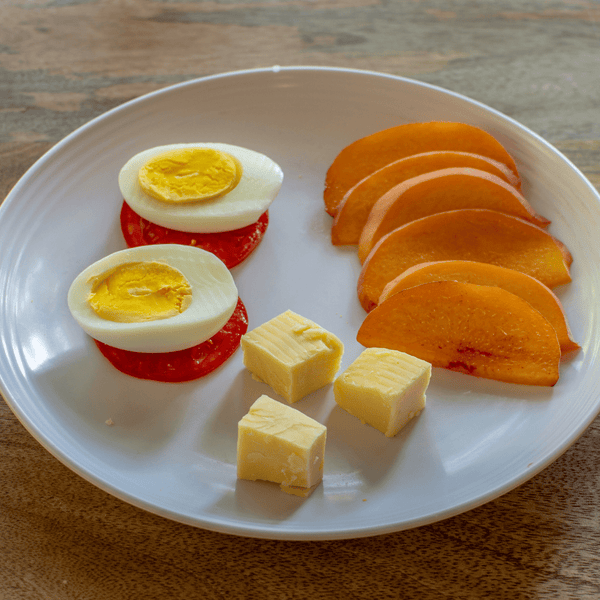
Aim to include a clear protein source at every meal—eggs, dairy, lentils, tofu, fish, chicken, or protein-rich snacks when needed.
Spreading protein evenly across the day works better than loading it all into one meal, especially for muscle support and steady energy.
Step 3: Build Muscle to Burn Fat More Efficiently
Muscle plays a big role in how efficiently your body uses calories.
The more muscle you have, the more calories your body burns at rest, even on days you don’t work out.
When muscle mass drops, metabolism slows, and fat loss feels harder despite eating well.
This is why strength training matters. It doesn’t have to mean heavy lifting or long gym sessions.
Simple resistance training, using weights, machines, resistance bands, or even bodyweight signals your body to maintain and build muscle.
That signal helps protect your metabolism and shifts weight loss toward fat rather than muscle.
Strength training also improves insulin sensitivity, which means your body handles carbs better and stores less of them as fat.
Over time, this leads to better energy levels, improved body composition, and more consistent fat loss. Even two to three strength sessions a week can make a noticeable difference.
Step 4: Manage Stress and Sleep to Unlock Fat Loss
Even with good food and regular workouts, high stress and little sleep can easily block progress.
Stress and sleep matter more than most people realise: sleep is when your body repairs muscle, balances hunger hormones, and regulates metabolism.
Short or irregular sleep increases appetite, lowers energy, and makes cravings harder to control the next day.
Over time, this disrupts fat loss and makes consistency feel exhausting rather than sustainable.
Walking, light movement, morning stretches, breathing exercises, proper rest days, and realistic workout schedules all help bring stress levels down.
This also makes sleep easy to come by. When your body is well-rested and less stressed, it becomes far more willing to let go of fat.
Step 5: Use Smart, Structured Snacking to Stay Consistent
Avoiding snacks entirely can lead to overeating during meal time, while mindless snacking can quietly push calories up.
Hence, it is important to munch on portion-controlled snacks that are also nutritionally complete.
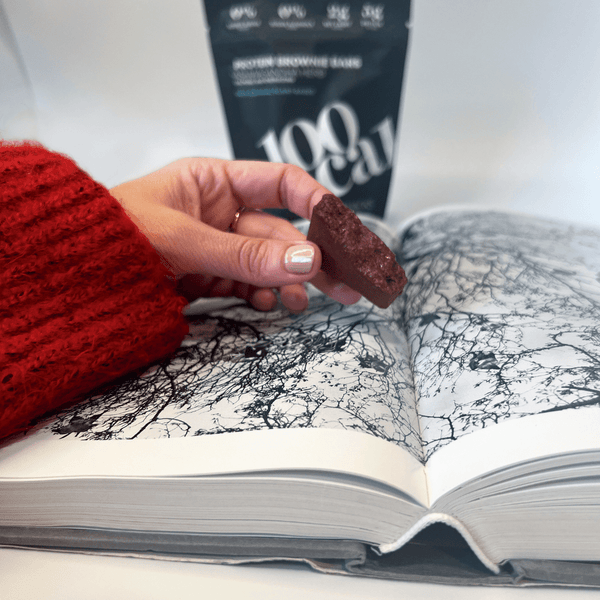
100 Cal Snacks are designed with exactly this in mind — healthy snacks that are only 100 calories and pack a whole lot of nutrition, like our BBQ protein puffs.
They combine high amounts of protein and fiber to promote satiety, with a supplemental level dose of adaptogens like ashwagandha, that help reduce stress and promote relaxation.
They’re also gluten free and non-GMO, which makes them ideal for sensitive stomachs or people with gluten intolerance.
There are no added sugars and sugar alcohols, which helps keep blood sugar stable and prevents crashes.
Instead of triggering more hunger, they help energy levels steady.
Used intentionally, snacks like these make fat loss after 30 far more sustainable.
They remove guesswork, reduce decision fatigue, and help you stay consistent without feeling restricted, because the plan you can stick to is always the one that works. Pairing them with genuinely low calorie snacks for weight loss keeps you satisfied without stalling progress.