
Walking vs Running for Weight Loss: Which Is Better?
Quick answer: For weight loss, running burns more calories in less time, while walking burns a higher share from fat, is gentler on your joints, and is far easier to sustain. Neither is universally "best" — the winner is the one you'll do consistently, recover from well, and pair with smart nutrition. For many people that's walking; for others, a hybrid of both works best.
Walking or running is a debate that comes up every time someone decides to “get serious” about weight loss.
Running feels harder, faster, sweatier… so it must be better, right?
That belief comes from a very common assumption: that weight loss is all about workout intensity.
The harder you push, the more weight you’ll lose. While there is some truth to that, it’s only half the picture.
Weight loss is influenced by far more than just how hard you exercise, like consistency, recovery, stress levels, and your meals.
That’s where the walking vs running conversation gets interesting.
So which one actually helps you lose weight? Which burns more fat? And which is easier to stick to long-term?
Let’s break it down.
Walking for Weight Loss
| Walking | Running | |
|---|---|---|
| Calorie burn | Lower per minute; steady | Higher per minute; time-efficient |
| Intensity | Light–moderate | Vigorous |
| Fat vs carbs | Higher % from fat | More carbs during; higher total burn |
| Joint impact | Low | High |
| Recovery | Easy, daily-friendly | Needs recovery days |
| Appetite after | Steady | Can spike hunger |
| Best for | Consistency, low stress, long term | Time-crunched, fitness, bigger burn |
Walking is often underestimated when it comes to weight loss. Because it feels easy and low-effort, many people assume it can’t be effective.
In reality, walking can be a powerful fat-loss tool when done consistently and with intention. But yes, it does have its limitations too.
Pros:
1. Easy to sustain long-term
Walking is gentle on the body, which makes it easier to do consistently. Since it doesn’t leave you overly sore or exhausted, you’re more likely to show up day after day, and consistency is what ultimately drives fat loss.
2. Lower stress on joints and hormones
Unlike high-impact workouts, walking puts minimal strain on the joints and doesn't significantly spike stress hormones like cortisol.
This is especially important because chronic stress can slow fat loss, even when workouts feel intense.
3. Supports fat burning without extreme hunger
Walking burns calories at a steady pace without drastically increasing appetite. Many people find that after a walk, they feel energized rather than depleted, which helps prevent overeating later in the day.
4. Allows longer movement sessions
Because walking is low-intensity, you can do it for longer durations. Over time, these longer sessions can add up to a meaningful calorie burn without the need for extreme effort.
Cons:
1. Burns fewer calories per minute
Compared to running, walking burns calories more slowly. This means you may need more time to achieve the same total calorie burn as a shorter, high-intensity workout.
People can also lose motivation because of this.
2. Progress can feel slower
Weight loss from walking isn’t really quick. Without patience and consistency, it can feel like results are taking longer to show.
3. Easy to plateau without progression
If walking is done at the same easy pace every day, the body adapts.
To keep seeing results, you’ll need to increase speed, duration, or intensity, such as brisk walking or adding inclines.
Bottom line:
Walking may not look intense, but walking absolutely helps you lose weight — a highly effective, low-stress way to lose fat when done consistently and supported by smart nutrition.
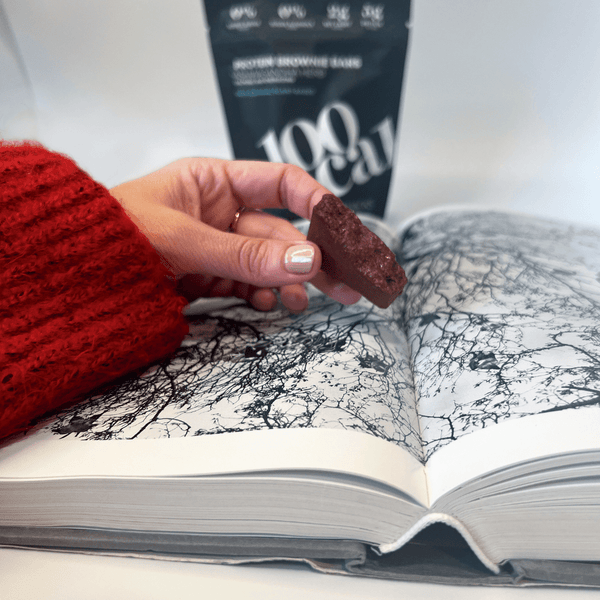
High Protein energizing snacks from 100 Cal Snacks are what we would recommend to fuel your walks.
The chocolate brownie protein bars and peanut butter bars are especially delicious and convenient to munch on while walking.
Running for Weight Loss
Running is often seen as the gold standard for weight loss because it feels intense and time-efficient.
It raises the heart rate quickly, burns calories fast, and delivers that “hard workout” feeling many people associate with results.
Let us see if you can rely on it as your primary fat-loss tool.
Pros
1. Higher calorie burn in less time
Running burns significantly more calories per minute than walking (a vigorous 6+ MET activity versus walking's lighter intensity), making it a good option for people short on time.
A quick run can deliver a strong calorie burn without needing a long workout window.
2. Improves cardiovascular fitness
Regular running strengthens the heart and lungs, improving overall endurance.
Better cardiovascular fitness can make daily movement easier and allow you to train at higher intensities over time.
3. Increases post-workout calorie burn
Because running is more demanding, the body continues to burn extra calories even after the workout ends.
This post-exercise effect can contribute to overall calorie expenditure across the day.
Cons
1. Higher risk of injury
Running is high-impact and places repeated stress on the joints, especially the knees, hips, and ankles.
Without proper form, footwear, or recovery, injuries can slow progress or stop workouts altogether.
2. Can increase hunger and fatigue
Intense runs often trigger strong hunger signals. Without mindful fueling, this can lead to overeating later, which may cancel out the calories burned during the run.
That’s where smart, intentional snacking matters. The protein bars from 100 Cal Snacks work especially well post-run because they provide steady energy without overwhelming the body.
Also, since they are perfectly portioned at just 100 calories, with every calorie coming from clean, nutritionally dense ingredients, you don’t have to worry about going over your calorie limit.
3. Not ideal for everyone, every day
Running requires adequate recovery. Doing it too frequently or when the body isn’t ready can lead to burnout, hormonal stress, or stalled weight loss.
For many people, running works best when balanced with lower-intensity movement.
Bottom line
Running is powerful, efficient, and effective, but only when used in a way that supports recovery, consistency, and overall lifestyle.
Running or Walking: Which Is Better for Fat Loss Specifically?
The short answer would be running, but it’s not that uncomplicated.
Let's see.
Walking burns a higher percentage of calories from fat because it’s a lower-intensity activity. It keeps the body in a steady, relaxed state where fat is used efficiently as fuel.
More importantly, walking is easier to do often, recover quickly, and stick to long term, all of which play a big role in consistent fat loss.
Running, on the other hand, burns more total calories in a shorter time.
While it relies more on carbohydrates during the workout, the overall calorie burn is higher, which can support fat loss if recovery and hunger are well managed.
If running leaves you exhausted, injured, or overeating later, it may actually slow fat loss.
In those cases, regular walking can outperform running simply because it keeps the body balanced and consistent.
The real winner for fat loss is the option you can do consistently, recover from well, and support with smart nutrition — like maintaining a sensible calorie deficit.
For many people, that’s walking.
For others, it’s a mix of both.
Walking and Running: A Hybrid Approach
A hybrid approach combines the fat-burning benefits of walking with the efficiency of running, while keeping things balanced.
Walking can form the foundation of your routine.
Because it is easy to recover from, it allows you to stay active even on busy or low-energy days, which keeps overall calorie burn consistent.
Running can be added strategically here.
Short runs or light intervals a few times a week can boost cardiovascular fitness and increase calorie burn, without overwhelming the body.
This combination also improves recovery.
Walking on non-running days keeps the body moving, reduces stiffness, helping you bounce back faster.
Instead of feeling “on” or “off” with your workouts, the hybrid approach creates steady momentum.
Most importantly, this approach is easier to stick to — which matters even more as recovery changes with age (see losing weight in your 30s).
The Perfect Snack to Support Your Weight Loss Efforts
Exercise increases calorie burn, but it also increases hunger.
If you don’t plan your snacks well, this hunger can easily lead to overeating and munching on junk later in the day.
Smart snacking, alongside a sensible number of meals a day, helps bridge that gap.
This is especially important after workouts, when the body is looking for nourishment but without a calorie overload.
100 Cal Snacks — a range of healthy snacks — is designed with this in mind.
Each snack is perfectly portioned at just 100 calories, eliminating any chance of accidental overconsumption. Instead of eyeballing portions or relying on willpower, you know exactly what you’re getting.
Beyond portion control, these snacks are nutritionally dense.
They’re made with clean ingredients and designed to be filling, thanks to a balance of protein and fiber. This makes them ideal after a walk or run, enough to refuel, without undoing the effort you just put in.
They also contain a potent dose of adaptogen ashwagandha which promotes relaxation and supports gut-brain balance.
This means you get to enjoy your snack without worrying about bloating, heaviness, or overeating.